
Is Protein Alone Enough? The Best Protein for Women Over 40 and the Nutrients That Complete It
Why most wellness outcomes depend on more than a single ingredient - and what the science actually says about how the body achieves them.
A systems based approach to wellness and beauty
By Vikas Tiwari, Founder, Hanuvier
About the author. Vikas Tiwari is the founder of Hanuvier and the author behind the Hanuvier Wellness Hub. His education spans science, law, and business: Chemistry, Physics, and Math as an undergraduate, followed by a degree in Law, a master's in Industrial Relations, and an MBA from the University of Maryland at College Park. He spent nearly two decades in executive roles across leading biotech organizations and global institutions, including The World Bank, Amgen, Myovant Sciences, and Sage Therapeutics, and advised major pharma companies such as Novartis, Novo Nordisk, and Boehringer Ingelheim through consulting engagements with Cognizant.
His philosophy. Nothing in the body works alone. The body is a coming together of many systems working in harmony - and wellness itself works the same way. Physical, emotional, and spiritual wellbeing are each systems in their own right, deeply interconnected and feeding off one another. That understanding is at the heart of Hanuvier: A Systems Based Approach to Wellness and Beauty, caring for the whole person, because no dimension of wellness stands alone.
Beyond his work. A vegetarian and vegan for 45 years, Vikas brings a lifelong passion for nutrition science, mindful living, and meditation. He believes knowledge is the first step on every wellness journey.
Editorial note & disclosure. This article is based on an objective review of publicly available scientific literature and educational resources referenced throughout. It is intended for informational and educational purposes only and should not be construed as medical advice.
Jump To:
- Why This Question Matters
- Protein Matters - But It Is Not the Whole Story
- The Difference Between a Building Block and a System
- What the Research Says About Supporting Nutrients
- Why Systems Thinking Is Also More Practical
- From Ingredients to Outcomes
- The Hanuvier Framework
- Bringing It All Together
- Frequently Asked Questions
- Related Articles
- References
Why This Question Matters
Wellness conversations often search for a simple answer.
One ingredient. One powder. One daily fix.
Protein is frequently treated that way - and for understandable reasons. It is essential. Every cell in the human body contains it. It is required for cell repair, new tissue formation, and a wide range of biological functions.1 It shows up prominently in nutrition guidance, sports science, nutrition and healthy aging research, and virtually every conversation about what to eat.
But most people are not actually trying to consume protein for its own sake. They are trying to support outcomes - strength, recovery, healthy aging, energy, protein and skin health, resilience, and overall vitality.
And outcomes are rarely produced by a single dietary input.
That distinction matters. Because the moment the question shifts from "Am I getting enough protein?" to "What does my body actually need to support the outcomes I care about?" - the conversation becomes both more honest and more useful. The answer is almost always: a complete wellness supplement approach, not a single-ingredient one.
Protein Matters - But It Is Not the Whole Story

According to MedlinePlus, protein is involved in building and repairing tissues, making enzymes and hormones, and supporting normal growth and development.1 During digestion, protein is broken down into amino acids, which the body then allocates according to its needs. This applies equally whether you are considering plant protein vs whey protein, or protein powder vs whole food protein - the amino acid delivery is what ultimately matters.
This is important. Protein deserves the attention it receives.
But "protein is essential" and "protein is sufficient for all wellness goals" are not the same statement.
If the goal is simply to increase protein intake, a protein-focused decision may be perfectly reasonable. But if the goal is broader - strength, recovery, healthy aging, protein and skin health, sustained energy - the body requires more than a single nutrient to support those outcomes. That is the case for the best plant-based protein supplement being formulated with complementary nutrients, not sold as protein alone.
The World Health Organization (WHO) frames healthy diets around four core principles: adequacy, balance, moderation, and diversity.2 Taken together, these principles suggest a broader view of wellness than any single ingredient can provide on its own.
The Difference Between a Building Block and a System
Protein is best understood as a foundational building block - essential, but not complete on its own.
Consider how a building is constructed. Bricks are essential. Without them, there is no structure. But bricks alone do not create a finished home. A finished home also requires electrical systems, plumbing, insulation, structural supports, and windows. Every element plays a specific role. Remove one, and the whole system is compromised.
Human physiology works in a similar way. Protein supplies essential raw material - amino acids that the body draws on for countless functions, including protein and collagen synthesis. But those functions also depend on vitamins, minerals, hydration, overall diet quality, digestion, absorption, and lifestyle behaviors that help the body use those building blocks effectively. Protein and vitamin C together, for example, are both required for collagen biosynthesis - a relationship the body cannot shortcut.
WHO's guidance emphasizes that diverse diets are associated with a greater likelihood of meeting both macronutrient and micronutrient requirements.2 This reflects the same principle: the body is a system, and systems depend on multiple inputs - not just one.
What the Research Says About Supporting Nutrients

A systems-based perspective should not be confused with exaggerated "synergy" claims. The science-based point is more grounded: different nutrients participate in different biological functions, and some of those functions contribute to the same wellness outcomes.
Zinc is involved in numerous aspects of cellular metabolism, including zinc protein synthesis. The NIH Office of Dietary Supplements notes that zinc plays roles in protein synthesis, DNA synthesis, wound healing, and cell signaling, and participates in immune function and the normal growth and development of cells.3 This is why zinc protein synthesis is a key part of what makes a daily wellness supplement more than just protein.
Vitamin C serves a distinct function. The NIH indicates that vitamin C is required for collagen biosynthesis, participates in protein metabolism, and functions as an important physiological antioxidant.4 Protein and vitamin C together are required for protein and collagen synthesis - you cannot have one without the other in this process.
Biotin plays yet another role. The NIH describes biotin as a cofactor for enzymes involved in the metabolism of fatty acids, glucose, and amino acids - making it relevant to how the body processes the very macronutrients people most focus on.5
None of these facts suggests that combining nutrients automatically produces extraordinary results. But taken together, they support a well-grounded conclusion: the body relies on multiple nutrient-dependent processes operating simultaneously. That is the scientific foundation for systems thinking - not marketing language, but a more accurate reflection of human physiology. It is also why the best plant-based protein supplement for women over 40 is typically not a protein-only product.
Some consumers find it helpful to look for formulations that integrate these elements thoughtfully. Hanuvier's Plant Protein & Collagen Booster combines plant-based protein with key nutrients that participate in complementary biological processes - reflecting this systems perspective in a single daily wellness supplement.
Why Systems Thinking Is Also More Practical
There is also a practical dimension to this conversation.
A consumer seeking to support multiple wellness goals - plant-based protein benefits, collagen-supporting nutrients, metabolic cofactors, immune health - may end up purchasing several separate products. Individually, each may have merit. But the routine can quickly become complex: more containers, more purchasing decisions, more label reading, and potentially higher overall costs.
For some consumers, a protein and collagen supplement that integrates key nutrients may be easier to maintain consistently - and in everyday wellness, consistency often matters more than what sounds ideal in theory. Whether you are comparing protein powder vs whole food protein, or evaluating a complete wellness supplement against individual products, consistency of daily use is what drives real-world outcomes.
It is worth noting, as the Federal Trade Commission (FTC) makes clear, that health-related claims should be supported by competent and reliable scientific evidence.6 Convenience and simplicity are genuine practical benefits, but they should not be overstated as clinical outcomes unless the evidence specifically supports that.
From Ingredients to Outcomes
Perhaps the most useful shift in modern wellness thinking is the move from ingredient-focused questions to outcome-focused ones.
Ingredient thinking asks: What should I take?
Outcome thinking asks: What am I actually trying to support?
Most consumers are not searching for protein, zinc, vitamin C, or biotin as ends in themselves. They are searching for what those nutrients help the body do: strength and resilience, healthy recovery, sustained energy, protein and skin health, a sense of vitality, confidence, and nutrition and healthy aging outcomes that last.
Outcomes like these are typically supported by the combined effect of overall dietary quality, nutrient sufficiency, movement, recovery, hydration, and consistency over time. The plant-based protein benefits most people seek - healthy skin, strong connective tissue, sustained energy - depend on this broader system. Protein is one important part of that picture - but it is one part within a larger system.
WHO's emphasis on dietary adequacy, balance, moderation, and diversity reflects this same understanding.2 Wellness is not a single-ingredient equation. It is a systems equation.
The Hanuvier Framework
This systems perspective is central to how Hanuvier thinks about wellness and beauty. Both frameworks begin with the same foundational step: mindset - the willingness to approach wellness as a journey rather than a transaction. From there, knowledge about how the body actually works drives clearer vision, smarter strategy, and more consistent action.
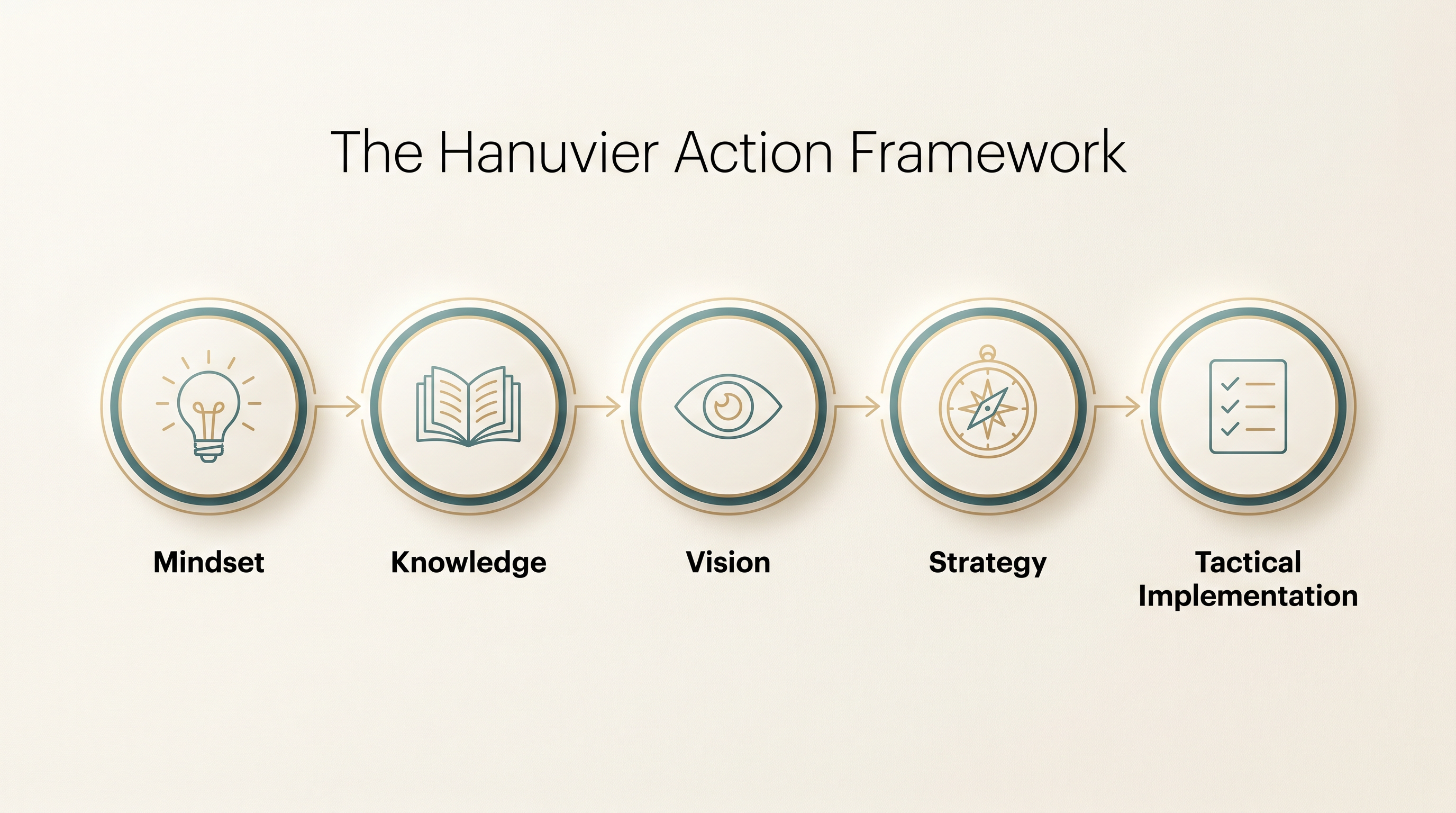
Understanding that the body works through systems - rather than responding to isolated ingredients - is precisely the kind of knowledge that sharpens wellness decisions. This is especially relevant for anyone evaluating plant protein vs whey protein, or deciding whether a protein and collagen supplement better fits their goals than protein alone.
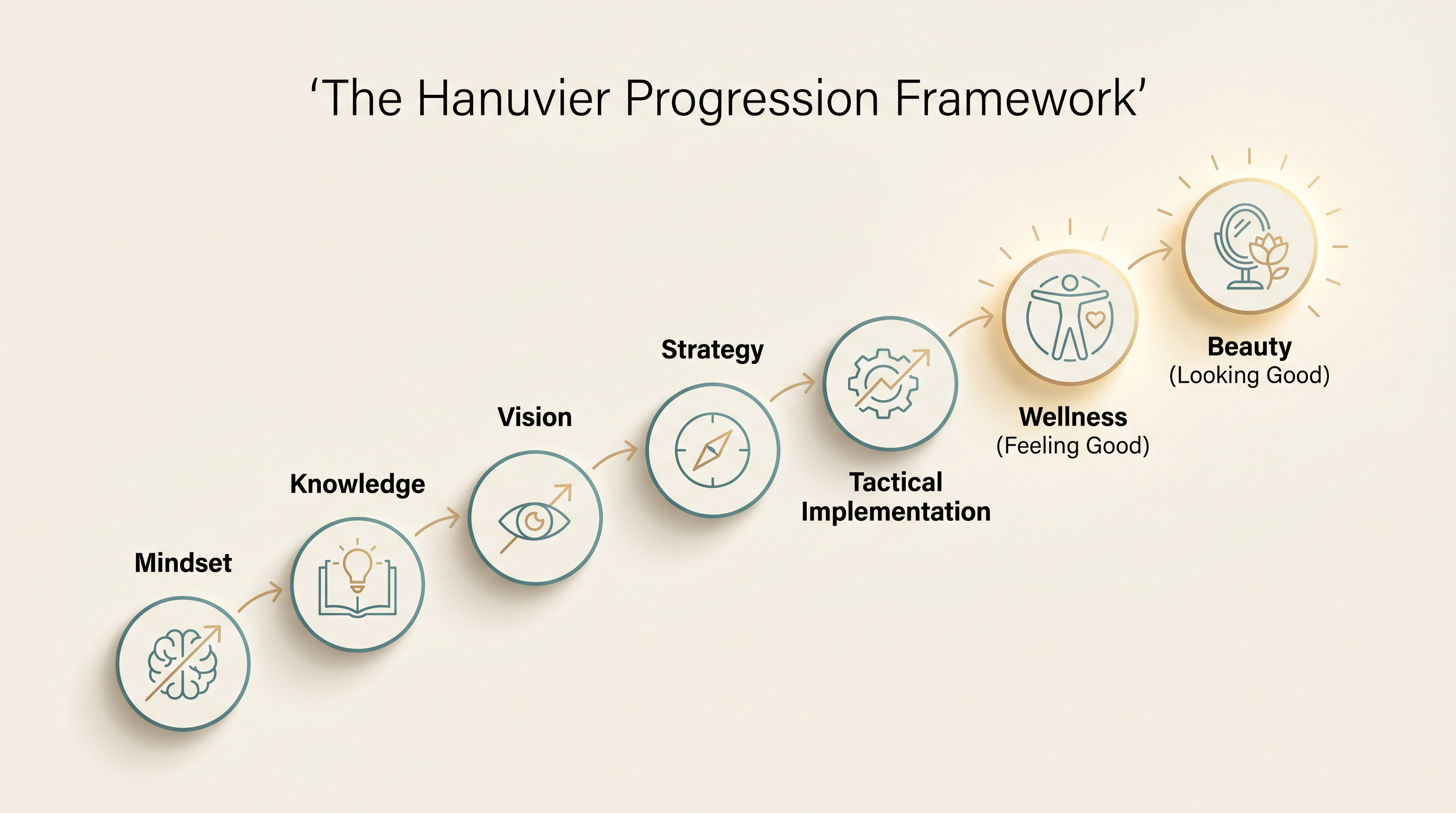
In the Hanuvier Progression Framework, wellness - feeling good from within - always precedes beauty. Beauty is the visible expression of wellness over time, not the starting point.
Bringing It All Together
Protein is essential. That is not in question.
But for most wellness goals, protein is one part of a larger picture - a foundational building block within a system that depends on many inputs working together. Zinc protein synthesis, protein and vitamin C together for collagen, biotin for amino acid metabolism, overall dietary quality, hydration, movement, and consistency all participate in the biological processes that translate effort into outcomes.
Systems thinking is not a marketing framework. It is a more honest reflection of human physiology - one that official guidance from the WHO, NIH, and major public health institutions consistently supports. The best plant-based protein supplement is the one that acknowledges this - combining plant-based protein benefits with the nutrients that allow those benefits to be fully realized.
When a consumer shifts from asking "Am I getting enough protein?" to "Am I supporting my body as a system?" something changes. The decisions become more holistic. The expectations become more realistic. The routines become more sustainable. And sustainable routines, maintained consistently over time, are where meaningful nutrition and healthy aging outcomes actually live.
That is the case for systems thinking. And it begins - as most things do in the Hanuvier framework - with knowledge.
Frequently Asked Questions
Is protein alone enough to support wellness goals?
For most wellness goals - strength, nutrition and healthy aging, energy, protein and skin health, recovery - protein is one important input among several. The body relies on a broader network of nutrients, including zinc for protein synthesis, vitamin C for collagen synthesis, and biotin for amino acid metabolism, to carry out the biological processes that contribute to these outcomes. A protein-only approach may be sufficient for some narrowly defined goals, but broader wellness outcomes benefit from a more complete daily wellness supplement picture.
Plant protein vs whey protein - which is better for wellness?
The plant protein vs whey protein debate often misses the point. Both provide amino acids after digestion - the form of delivery matters less than whether the full amino acid profile is complete and whether the surrounding nutrients (zinc, vitamin C, biotin) are also present. High-quality plant-based protein benefits include a lower environmental footprint and often a more integrated nutrient profile when formulated thoughtfully. The best plant-based protein supplement for most people is one that delivers complete amino acids alongside collagen-supporting cofactors.
What does "systems-based nutrition" mean?
Systems-based nutrition recognizes that the body operates through multiple interconnected biological processes - not just one nutrient pathway at a time. Different nutrients participate in different functions, and many of those functions contribute to the same wellness outcomes. Rather than focusing on a single ingredient, systems thinking considers how the full nutritional context - protein and collagen synthesis, zinc protein synthesis, vitamin C antioxidant function - supports the outcomes a person is trying to achieve.
What roles do zinc, vitamin C, and biotin play alongside protein?
Each plays a distinct role. The NIH notes that zinc is involved in zinc protein synthesis, cell signaling, DNA synthesis, and immune function.3 Protein and vitamin C together are required for collagen biosynthesis - Vitamin C is required for the enzyme that stabilizes collagen.4 Biotin is a cofactor for enzymes involved in the metabolism of amino acids.5 Together they illustrate why a protein and collagen supplement that includes these cofactors is more complete than protein alone.
Why does the WHO emphasize dietary diversity?
The World Health Organization emphasizes that diverse diets are more likely to meet both macronutrient and micronutrient needs.2 Its core healthy diet principles - adequacy, balance, moderation, and diversity - reflect an understanding that wellness depends on the full nutritional picture, not any single ingredient. This is particularly relevant for nutrition and healthy aging, where micronutrient adequacy becomes increasingly important over time.
What is Hanuvier's systems-based approach to wellness and beauty?
The body functions as an interconnected system, with nutrients participating in multiple biological processes and often working alongside one another. Hanuvier uses this systems perspective to develop thoughtfully formulated products that support wellness, beauty, or both through a holistic approach rather than a single-ingredient focus.
Related Articles
- Mindset: The Beginning of Every Transformation
- Wellness and Beauty: Can One Truly Exist Without the Other?
- Organic Pea & Rice Protein: The Science Behind Plant-Based Protein for Wellness and Healthy Aging
- Collagen vs. Collagen Boosters: A Smarter Approach to Supporting Natural Beauty
- Hyaluronic Acid, Biotin, Zinc, L-Lysine & Hydroxyproline: The Science Behind Five Key Nutrients
References
1.MedlinePlus. Protein in Diet. National Library of Medicine.
2.World Health Organization. Healthy Diet. WHO Fact Sheet.
3.NIH Office of Dietary Supplements. Zinc Fact Sheet for Health Professionals.
4.NIH Office of Dietary Supplements. Vitamin C Fact Sheet for Health Professionals.
5.NIH Office of Dietary Supplements. Biotin Fact Sheet for Health Professionals.
6.Federal Trade Commission. Dietary Supplements: An Advertising Guide for Industry.
Built on the nutrients in this article
Five collagen boosters and 20g of organic plant protein, every dose on the label.*
See what's inside HanuvierFree U.S. shipping · 60-day money-back guarantee · 10% off your first order
